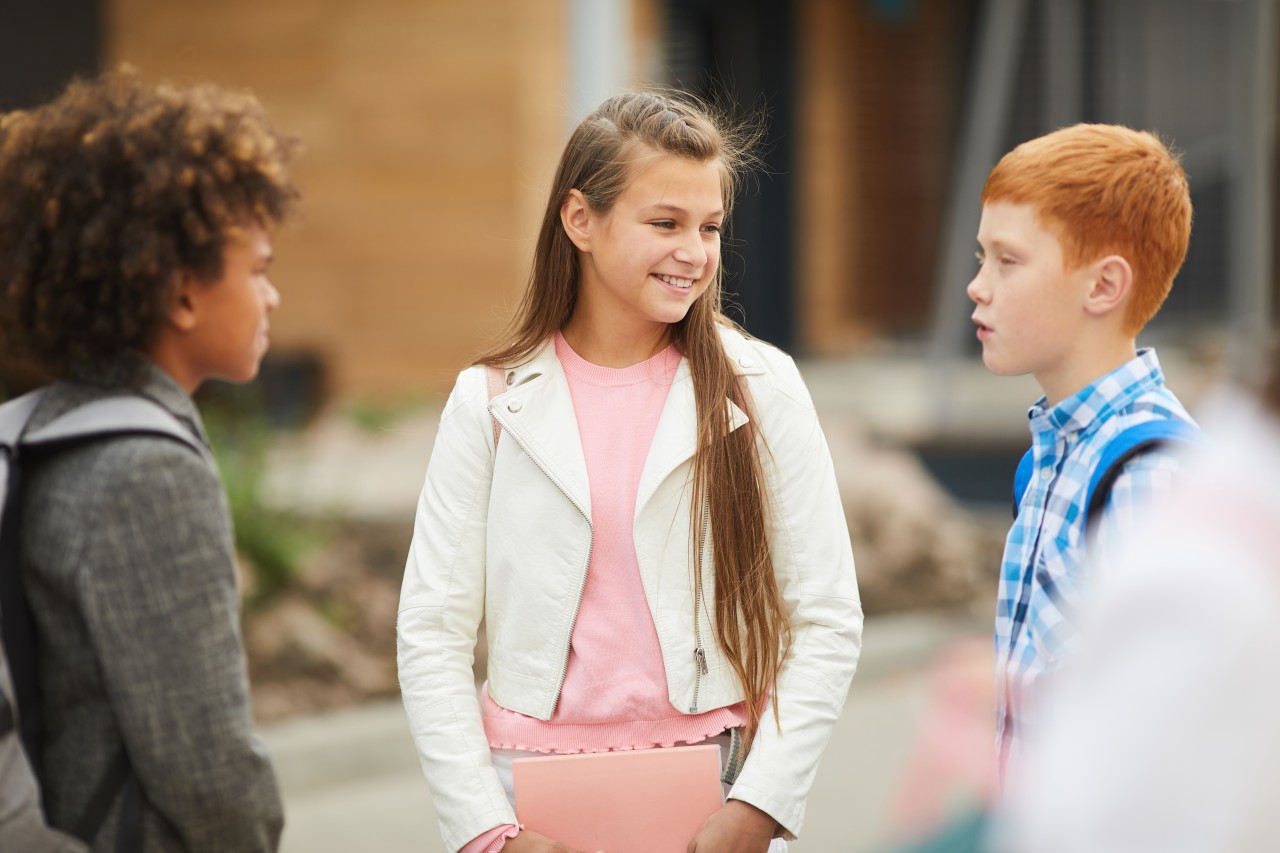
Confidence in children isn’t always loud or attention-seeking. In fact, some of the most self-assured kids express their self-esteem in subtle, consistent ways—through posture, tone, and thoughtful interaction. These small behaviors often go unnoticed by others but speak volumes in social settings. Whether at school, family gatherings, or dining out with adults, these habits are early indicators of emotional intelligence and strong personal grounding.
1. Making Eye Contact While Listening
One of the simplest signs of confidence is the ability to look someone in the eye while listening. It signals respect, attentiveness, and social ease. Children who hold eye contact without being prompted are typically comfortable in their environment and with themselves.
2. Speaking in a Measured, Clear Tone
Children who communicate calmly and clearly tend to feel secure in their thoughts and speech. Confident kids aren’t necessarily the loudest in the room—they’re the ones who articulate themselves with self-assurance, whether answering a question or joining a group conversation.
3. Sitting Up Straight Without Being Told
Posture is a physical cue that reflects inner poise. Confident children tend to sit upright naturally, even in informal settings. Good posture, especially in structured settings like meals or classes, subtly conveys discipline and self-respect.
4. Asking Questions Without Fear of Judgment
Children who feel secure in themselves aren’t afraid to ask questions—whether it’s about a school subject, an unfamiliar word at dinner, or a social scenario. Their curiosity is not blocked by fear of being wrong, and that openness signals internal confidence.
5. Knowing How to Politely Decline
Saying “no” with tact shows personal boundaries and emotional maturity. Confident kids understand they don’t have to agree with everyone or join every activity. When they decline an offer respectfully—without sounding apologetic—they demonstrate strength of character.
6. Using Names in Conversation
Referring to someone by name during a conversation reflects not just manners but also interpersonal awareness. This small gesture builds rapport and demonstrates that the child feels comfortable connecting with others on a direct, respectful level.
7. Handling Mistakes Without Meltdown
One of the clearest signs of self-assurance is how a child handles being wrong or making a mistake. Instead of shutting down or becoming defensive, confident children tend to acknowledge the error, learn from it, and move forward.
8. Participating in Structured Social Routines
From introducing themselves in a group to following table manners at a formal meal, confident kids adapt well to structured social cues. These aren’t just learned routines—they’re indicators of a child who is self-regulated and adaptable. You can explore more about these types of learned behaviors in structured programs like social dining etiquette for kids, where children gain firsthand experience navigating formal and informal social interactions.
9. Waiting Their Turn Without Resentment
Children who feel secure don’t need to push for attention. They understand the value of turn-taking, whether in conversation or activities. This habit shows that they trust their voice will be heard and don’t feel pressure to dominate social space.
10. Offering Help Without Prompt
Confidence often shows up in moments of initiative. Whether it’s picking up a dropped item or guiding a peer through a group task, quietly taking action reflects social awareness and a stable sense of self-worth—especially when done without looking for praise.
Why These Habits Matter Now More Than Ever
In a world where children are often overstimulated by digital interaction and pressured by social comparison, small but confident behaviors serve as powerful grounding tools. These habits promote independence, emotional regulation, and interpersonal success—all of which play a critical role in a child’s future resilience and well-being.
Instead of focusing solely on academic performance or public speaking, helping kids refine these subtle cues equips them with the kind of soft skills that build meaningful connections and unlock leadership potential. Over time, consistent behavior in these small areas shapes a child’s identity far more than momentary achievements or visible success.
How to Reinforce These Habits at Home
Parents and caregivers can support the development of confidence through consistency and encouragement—not pressure. Consider the following strategies:
- Model the behaviors you want to see. Your posture, tone, and manners are constantly observed.
- Praise effort, not just outcomes. Acknowledge when your child handles situations with maturity or grace.
- Create space for discussion. Let them share opinions, ask questions, and make small decisions at home.
- Enroll them in structured etiquette or social development programs that build these habits in practical settings.
At Lluxxall School of Etiquette, group courses like their 5-day Situational Etiquette training provide a hands-on environment where children not only build skills but practice them in real-time. Their curriculum bridges social awareness and emotional intelligence to help students thrive in a variety of formal and casual situations.
The Bottom Line
Confidence doesn’t always show up as assertiveness or boldness in kids. Often, it’s the small, quiet behaviors—waiting their turn, holding eye contact, offering help—that send the strongest signals. Encouraging these habits early helps children feel more secure in who they are and how they interact with the world.
Empowering children through social education ensures they walk into every room not just knowing what to do—but doing it with intention and authenticity.