There’s a visible shift happening across Los Angeles studios. While the city is home to every type of fast-paced workout imaginable, a growing number of people are tuning into something very different: the power of slowing down. And nowhere is that more apparent than in the rise of slower, more intentional Pilates.
This isn’t about intensity for the sake of it. It’s about doing less to feel more—and in a city often defined by hustle culture, it’s redefining what fitness can be.
What Slower Pilates Really Means
Slower Pilates isn’t simply “beginner-friendly” or “easy.” It’s a refined approach that emphasizes alignment, control, and breathing—key elements that tend to get rushed in traditional group workouts. Instead of racing through reps or pushing through fatigue, slower Pilates focuses on deliberate movement that teaches the body how to engage properly, move efficiently, and release tension.
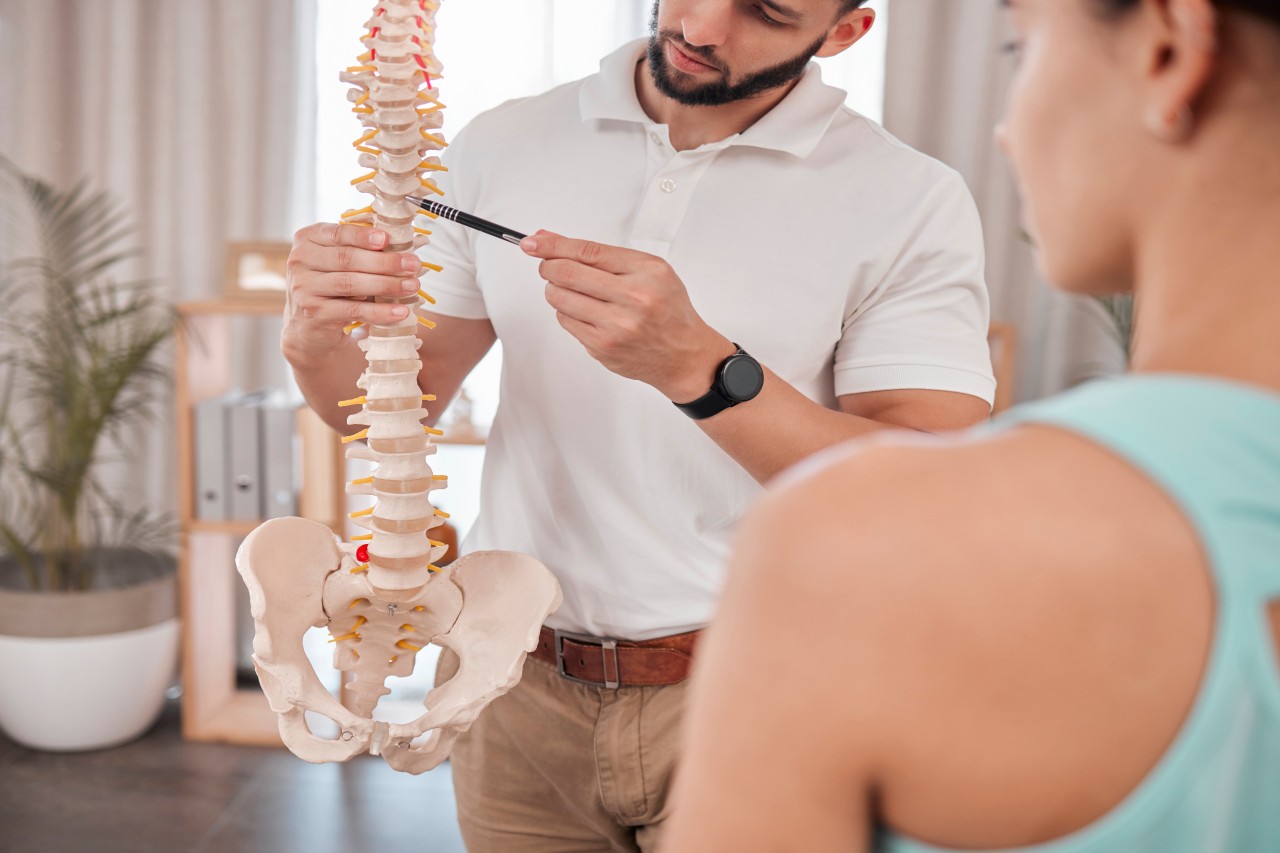
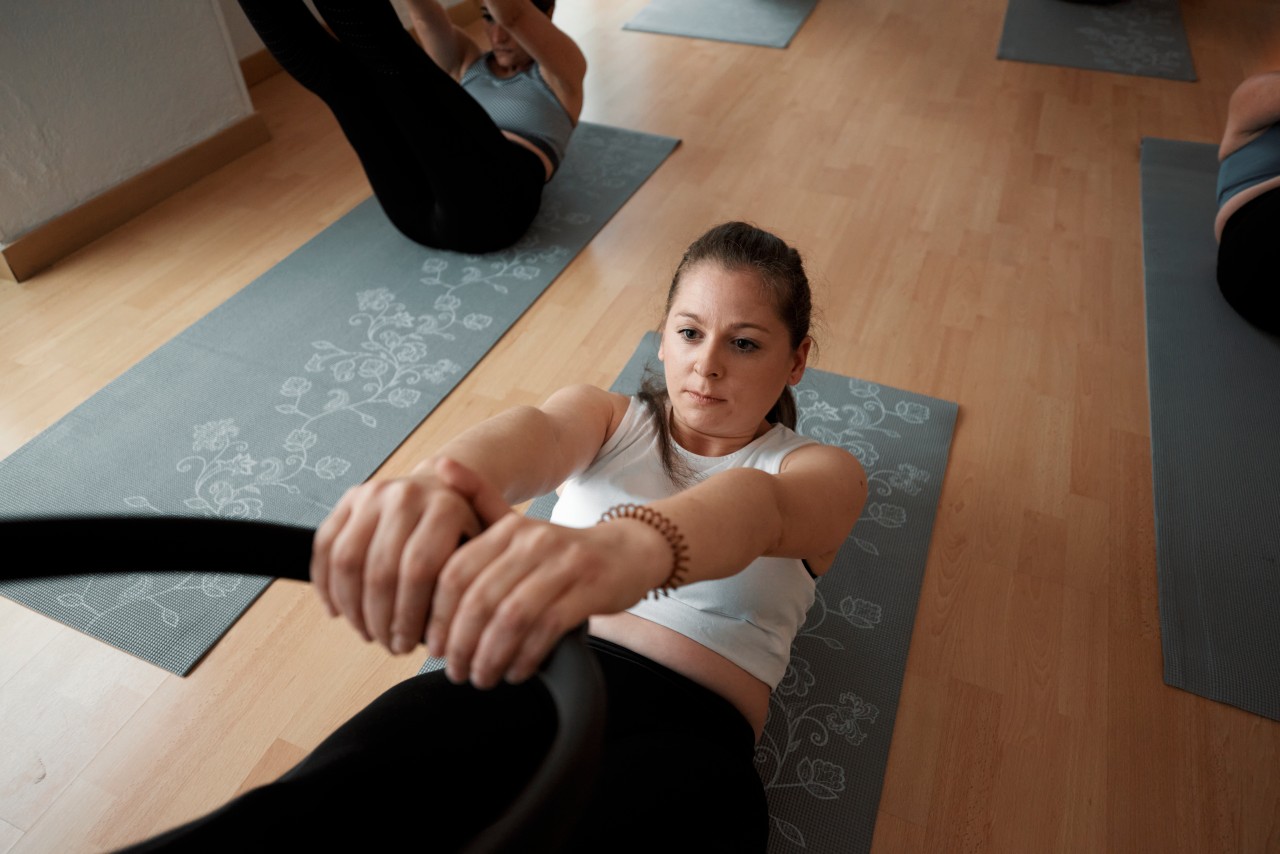
In small group sessions at a dedicated Pilates Studio in LA, the practice is taught with precision. Class sizes are often capped to allow instructors to give individual attention, helping clients identify imbalances and refine technique. The slower pace doesn’t dilute the intensity—it sharpens it. Every motion is earned, every adjustment intentional.
Why Slower Movement Is Resonating with LA Locals
The appeal of slower Pilates isn’t limited to any one demographic. It’s reaching:
- Professionals dealing with chronic stress and long sedentary hours
- Dancers, runners, and athletes recovering from injury or burnout
- Adults with mobility issues or aging joints who want sustainable strength
- Those exploring functional movement or seeking a mind-body reset
It’s not about who can work the hardest—it’s about who can move smarter. That’s where slower Pilates thrives. This type of practice supports those looking to improve posture, build strength without strain, and reconnect with their bodies in a focused, grounded way.
Key Benefits That Set This Method Apart
When compared to high-intensity formats, slower Pilates introduces long-term advantages that appeal to those seeking more than just a physical sweat:
- Deeper Muscle Activation
Without momentum, each movement demands full-body engagement. Stabilizers and smaller muscle groups are forced to participate more, leading to improved strength and tone. - Better Neuromuscular Coordination
The slow pace creates opportunities for better alignment and sequencing. This can reduce strain and help correct movement patterns that cause discomfort. - Mindful Breathing and Regulation
Focused breath work helps regulate the nervous system and complements the physical demands of Pilates. For many, this is as mentally refreshing as it is physically restorative. - Sustainable Progress
The cumulative effect of controlled training improves mobility, stability, and core control over time—essential for injury prevention and graceful aging.
What Slower Pilates Looks Like in Practice
At studios like Mind & Motion, located in Hancock Park, the approach to Pilates is centered on creating a supportive, highly focused environment. Whether in a group reformer class or a one-on-one session, the curriculum reflects a respect for classical foundations while making space for contemporary needs.
Each class focuses on skillful execution rather than sheer volume. Clients are guided through specific series—sometimes with minimal equipment—designed to improve functional range and body awareness. The pace gives time for hands-on corrections and allows practitioners to customize their work depending on what each student’s body is presenting that day.
This kind of consistency isn’t just about delivering quality—it’s about building trust and resilience in movement.
Common Misconceptions
Despite its growing popularity, slower Pilates is still misunderstood. Here are a few assumptions that deserve correction:
- “It’s only for older adults or rehab clients”
While ideal for those groups, slower Pilates is just as relevant for young, healthy individuals who want to optimize performance, prevent injury, or deepen body literacy. - “It doesn’t get your heart rate up”
While slower, the intensity is internal. A class focused on control and core integration can challenge endurance in ways that quick reps never touch. - “It takes too long to see results”
Most people notice improvements in posture, flexibility, and breath awareness within a few sessions. And because the movements are functional, the effects carry into daily life quickly.
Finding the Right Fit
Not all Pilates studios are structured to support slower, progressive learning. Look for:
- Small or semi-private class formats
- Certified teachers with training in classical technique and injury prevention
- Programs that prioritize foundations and informed progression
- A space that allows time and room for individual feedback
The most effective slower Pilates experiences happen where intention is built into the curriculum. If you’re only chasing sweat or speed, this style may feel unfamiliar—but if you’re seeking better movement and better quality of life, it’s often the next step forward.
Integrating Slower Movement Into an Active Life
One of the greatest advantages of slowing down your Pilates routine is how well it complements other movement practices. Runners notice better stride alignment. Cyclists and dancers experience improved joint tracking. Desk workers feel less pain at the end of a long day. Even regular gym-goers find they can lift more effectively when Pilates sharpens their form.
Try integrating one or two slower sessions per week around your regular training or as an alternative to high-impact work. You may find it not only improves your fitness—it changes your relationship to your body entirely.
Final Thought
As the fitness world in LA continues to evolve, slower Pilates is carving out space for those who want something different. It’s not just a workout trend. It’s a correction—a reset button for a lifestyle that often pushes too fast and too hard.
If you’ve ever felt like you were “too stiff,” “too late,” or “not strong enough” for Pilates, chances are you just haven’t found the right class. Slower isn’t weaker. It’s more focused, more precise, and—often—more powerful than it looks.
Mind & Motion is helping lead this movement with a studio model designed to support thoughtful, sustainable training. Located in Los Angeles, the studio is known for its small class sizes, attentive teaching, and integrative approach to Pilates and bodywork.