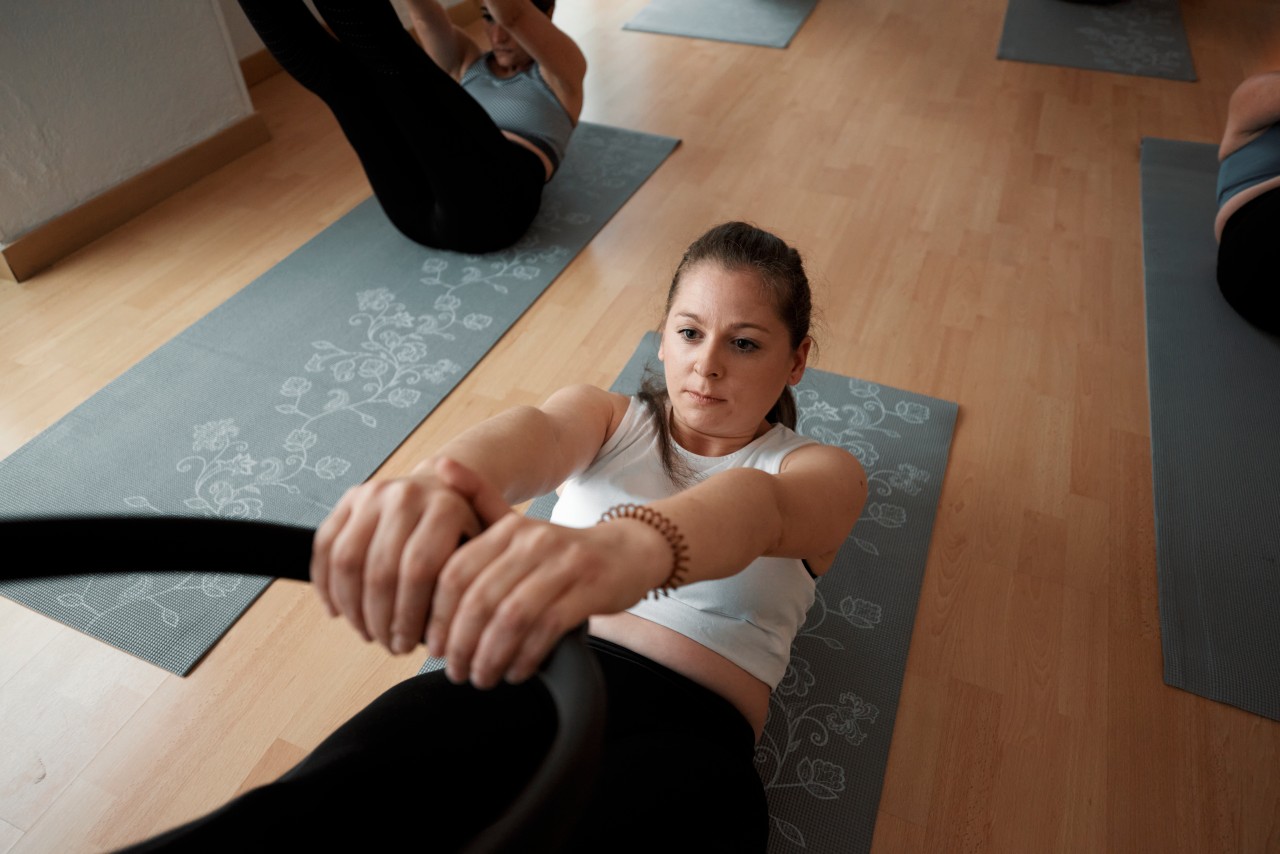
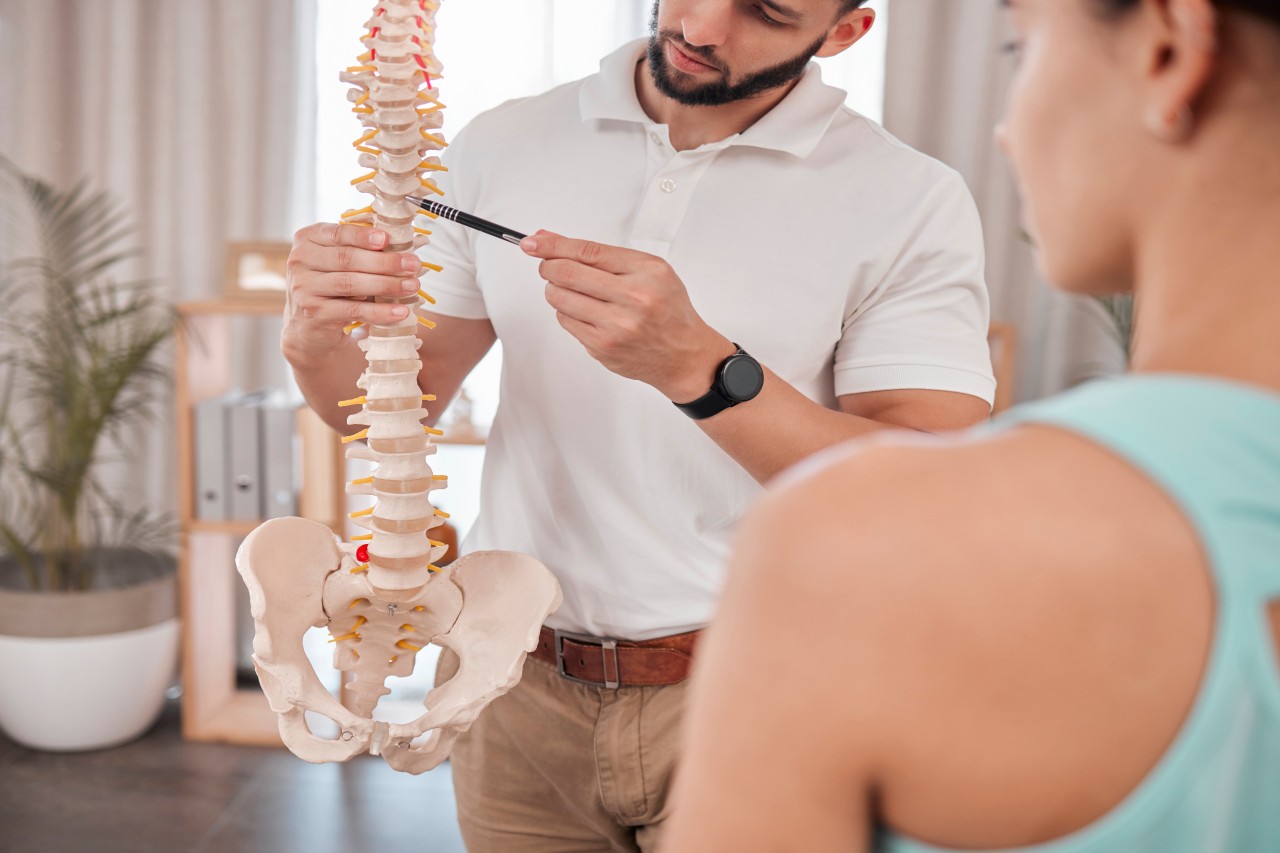
Core strengthening is often seen as the gold standard for spine recovery. While abdominal and back muscles do play an essential role in supporting the spine, the reality is more complex—especially after an injury. Many individuals follow generic core routines only to find their progress limited, their pain recurring, or their movement still unstable.
True spinal recovery requires more than crunches and planks. It calls for a deeper understanding of what the body needs to regain coordination, strength, and structural integrity in a way that reflects the demands of daily life and movement.
Why Traditional Core Exercises Fall Short
After a spinal injury—whether due to trauma, surgery, or disc degeneration—simply engaging the abs or back extensors isn’t enough to restore full function. The spine doesn’t operate in isolation, and neither should the recovery process.
Here’s where most generic core routines fall short:
- They focus on static exercises, which don’t reflect dynamic movement needs
- They fail to address deep stabilizers, such as the multifidus or diaphragm
- They often exclude the role of breathing, pelvic control, or load transfer
- They may bypass neuromuscular coordination, which is often disrupted post-injury
Patients recovering from spinal issues require more than strength—they need controlled, sequenced activation that rebuilds the body’s ability to stabilize in motion. This is a key area of focus for spine rehab clinic in Chicago, where clinical care prioritizes functional stability, not just visible muscle activation.
The Role of Deep Stabilizers in Spinal Recovery
While the “core” is often associated with six-pack muscles (rectus abdominis), true spinal stability comes from deeper layers that act more like stabilizing anchors than movers.
Key deep stabilizers include:
- Transversus abdominis – compresses and stabilizes the abdominal wall
- Multifidus – small spinal muscles that protect individual vertebrae
- Pelvic floor muscles – provide pressure regulation and support
- Diaphragm – regulates intra-abdominal pressure and connects to posture
- Internal obliques – assist with trunk rotation and stabilization
After injury, these muscles often “go offline,” becoming underactive or poorly timed in their firing patterns. Without retraining them—through guided breathing, positional exercises, and gradual load—relying on surface-level muscles can lead to compensation, not correction.
Table: Surface vs Deep Muscle Comparison in Spinal Recovery
| Muscle Group | Function in Recovery | Common Issue if Over-relied On |
| Rectus abdominis | Flexes spine | Encourages poor posture if isolated |
| Erector spinae | Extends spine | Overactivation leads to stiffness |
| Transversus abdominis | Stabilizes abdominal wall | Often inactive post-injury |
| Multifidus | Controls segmental motion | Atrophy and delayed response |
| Diaphragm | Regulates pressure & posture | Often disconnected from movement |
Breathing Mechanics and Intra-Abdominal Pressure
Breathing is often overlooked in spine rehab, yet it’s a cornerstone of effective stabilization. Proper diaphragmatic breathing helps manage intra-abdominal pressure (IAP), which acts like an internal brace for the spine.
When IAP is well-regulated:
- The spine is more supported during movement
- Loads are distributed evenly across joints
- The body can react dynamically to changes in position or force
However, after injury, many individuals adopt shallow chest breathing or brace inconsistently—causing increased spinal stress and reduced motor control. Retraining the diaphragm, along with pelvic floor engagement and ribcage mobility, creates a more resilient spinal system.
Movement Retraining vs Isolated Strength
Rather than training muscles in isolation, recovery should prioritize movement patterns that rebuild coordination between the spine, hips, pelvis, and limbs.
Examples of movement-based stability work include:
- Quadruped contralateral arm-leg reach (teaches cross-body control)
- Split stance holds or lunges with spinal alignment focus
- Dynamic balance work to re-integrate stability with proprioception
- Hip hinge drills to reconnect glutes and spinal control
- Anti-rotation exercises like Pallof presses to train core endurance
These patterns reflect real-world movement and help restore the body’s ability to control load, respond to challenge, and remain aligned under force.
Why Spinal Stability Requires Individualization
One-size-fits-all rehab routines often fail because no two spinal injuries are identical. Pain patterns, compensations, and muscular imbalances differ widely between individuals. Factors such as:
- Type and location of injury
- History of back issues
- Occupational or athletic demands
- Movement quality and postural habits
… all impact the plan of care.
That’s why effective spinal rehab must be individualized—not just with exercises, but with education, pacing, and progressions that respect the body’s current capacity.
At La Clinica SC, patients undergo functional assessments to identify their specific deficits, then receive tailored programs that integrate strength, control, and movement retraining based on modern rehabilitation principles. You can explore our full-service model and outcomes-driven care at La Clinica SC.
Signs That Core Work Alone Isn’t Working
If you’ve been doing standard core workouts post-injury but still experience issues, it may be time to shift the approach.
Indicators you need a more comprehensive strategy:
- Recurrent back stiffness despite strong abs
- Pain that returns during twisting, bending, or lifting
- Fatigue or shaking during stability drills
- Uneven hip or shoulder height during movement
- Difficulty maintaining posture during daily tasks
These signs suggest that deeper systems of control need to be retrained, not just strengthened. Focusing on function—not just force—is what creates lasting spinal resilience.
The Path Forward: Functional Stability First
Spinal recovery isn’t about doing more—it’s about doing the right things at the right time. That means rebuilding not just strength, but timing, control, and coordination across the body’s deep stabilizers and movement systems.
Core work has its place, but on its own, it’s not enough to fully restore spinal stability. For a complete and durable recovery, rehab must go beyond isolation and into integration—where breath, balance, alignment, and strength all come together.
Final Thoughts
When recovering from spinal injury, strength without control can lead to setbacks. True progress lies in restoring how the body stabilizes itself—naturally, efficiently, and in real-life positions.
By moving beyond generic routines and rebuilding the systems that support the spine at its foundation, patients gain the freedom to move with confidence—and keep pain from returning.